9 AI Skills to Become Rich in 2026 (Don't Fall Behind)
AI skills to become rich in 2026, ranked by what actually pays. The skill that beats every listicle: pairing a skill with distribution.

The AI skills to become rich in 2026 are not the ones every listicle pushes. Nobody is getting wealthy because they memorized “prompt engineering” from a course, and half the skills those lists rank are already racing to zero.
I run a content business solo, now past 3 million followers across platforms, on the back of these exact skills. None of them are technical. This is written for solo creators, one-person operators, and small agencies, the people who need AI to do the work of a team, not for someone chasing an AI job.
Here are the nine skills, ranked by how much they moved the needle for me, plus the honest part no listicle includes: which of them still hold value in two years, and which are commodity skills you should not over-invest in.
How to Learn AI Skills to Become Rich (Video Guide)
If you would rather watch, this is the full walkthrough. The written guide below adds the part most creators miss: which of these skills are already commodity skills racing to zero, and which ones actually compound as the models improve.
Why Most “AI Skills” Lists Get This Wrong
Search this topic and you get two kinds of posts. One is a salary table telling you a machine-learning engineer makes $200K. The other is a guru ranking side hustles by monthly income. The same salary-table problem shows up when you search creator pay, where the six-figure number describes a salaried employee rather than anyone building their own audience.
Both miss the point for a solo operator. A high AI salary makes you employed, not rich. And a side-hustle list ignores the one thing that turns a skill into money: an audience to sell it to.
The skills below are the foundational ones. They are boring on purpose. The people winning with AI right now are not the smartest, they just have better basics than everyone panicking about being replaced.
The 9 AI Skills, Ranked by How They Paid Me
I am involved with Blotato as a creator and tester, so take the tool mentions with whatever grain of salt feels right. Here is the full list before I break down the ones that matter most.
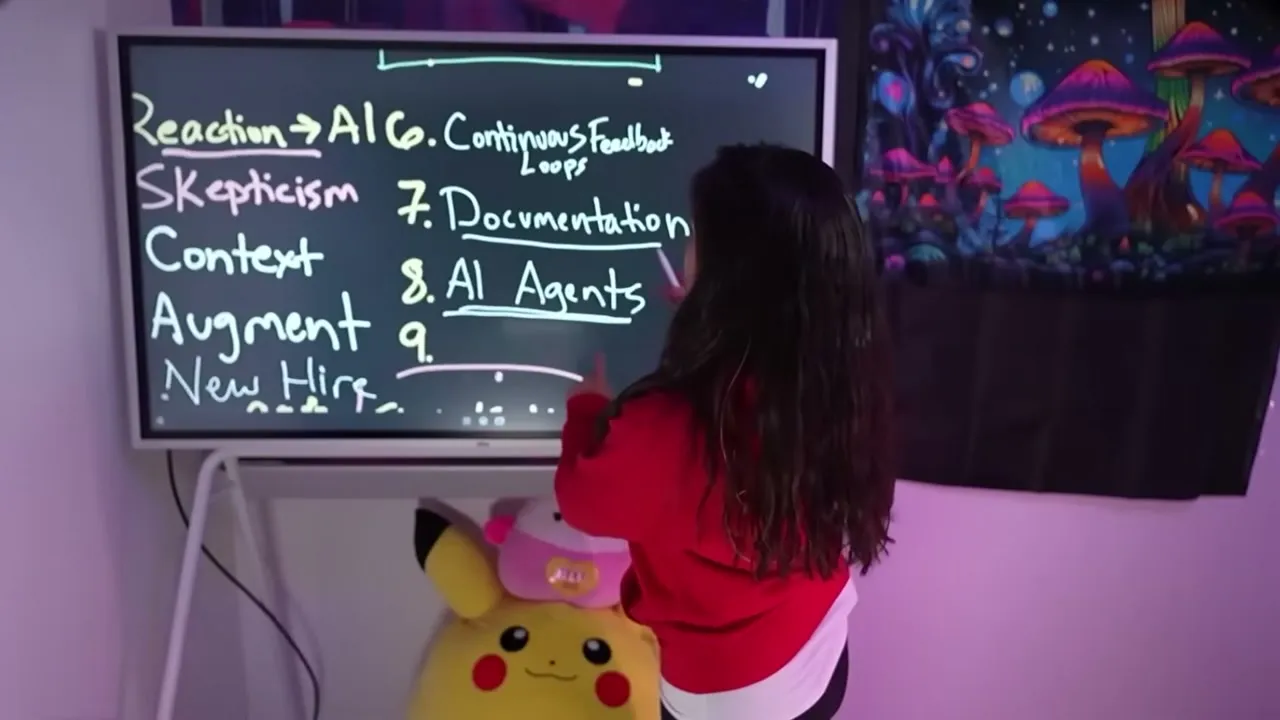
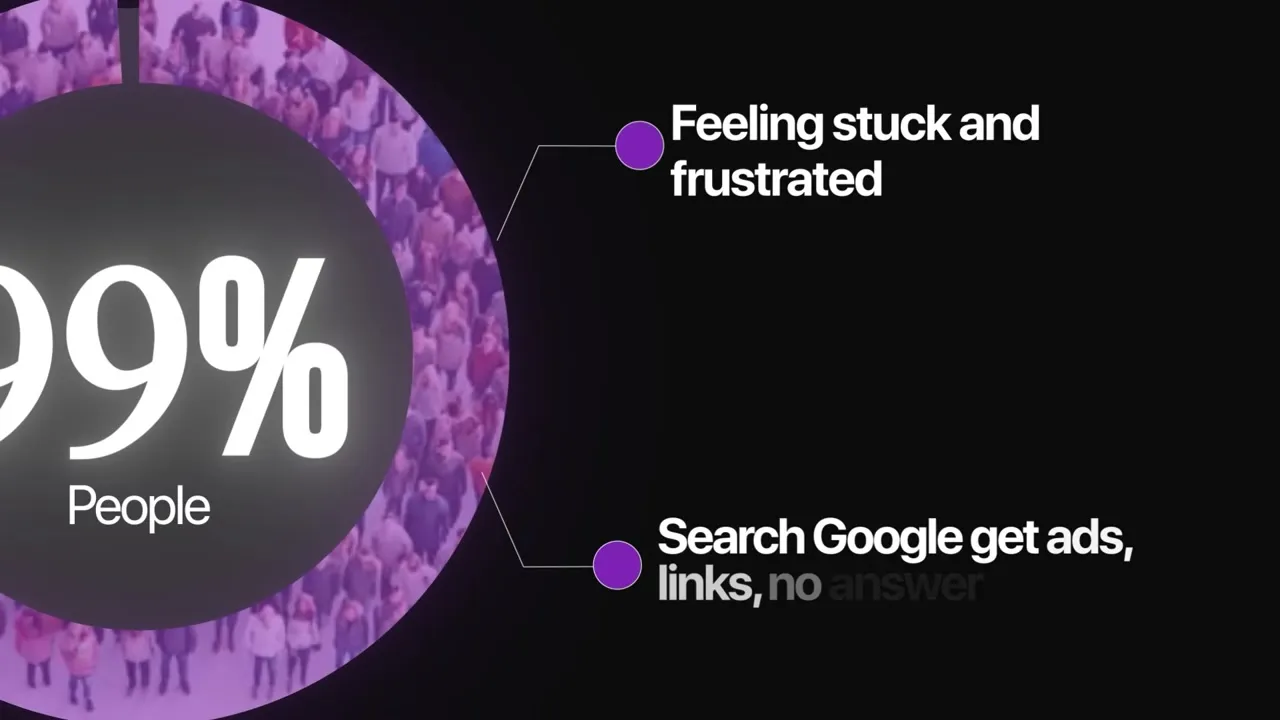
1. Change your default reaction. When you get stuck, your first move should be to ask AI, not Google, not a coworker, not a $2,000 course. I set up a new tripod recently, the instructions were terrible, so I took photos and asked ChatGPT what to do. That reflex is the whole skill. Most people stay stuck or drown in search ads instead.
2. Skepticism. Not everything AI tells you is true. A lawyer once cited six fabricated cases because ChatGPT invented them, and he got sanctioned in court. Trust but verify. If AI gives you a link, click it and read what it actually says. An expert who uses AI heavily knows you can get it to say almost anything.
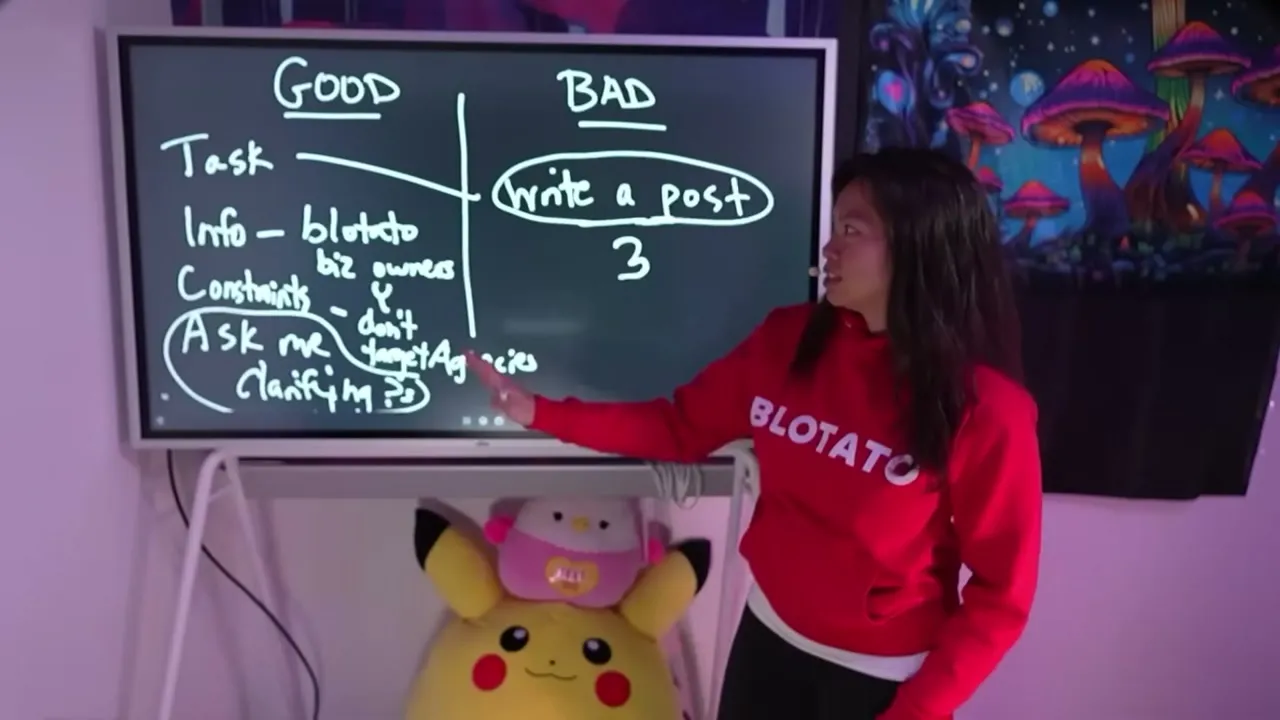
3. Context. The quality of your answer is directly tied to the context you feed in. I use a simple acronym, TAC-A. Give it the Task, the Additional information about your business, the Constraints (who you do not target, phrasing you never use), and then Ask it to ask you clarifying questions. That last line is my favorite. It surfaces everything you forgot to include.
If you want a running head start on skill three, I keep a set of Claude prompts for social media that already bake this structure in.
4. Augment yourself and your team. “AI replaced this whole function” is mostly a hook to stop your scroll. The useful model is added reach. Ask AI your basic questions first, so when you sit down with a real expert you are talking high-level strategy instead of paying hundreds an hour for the beginner stuff.
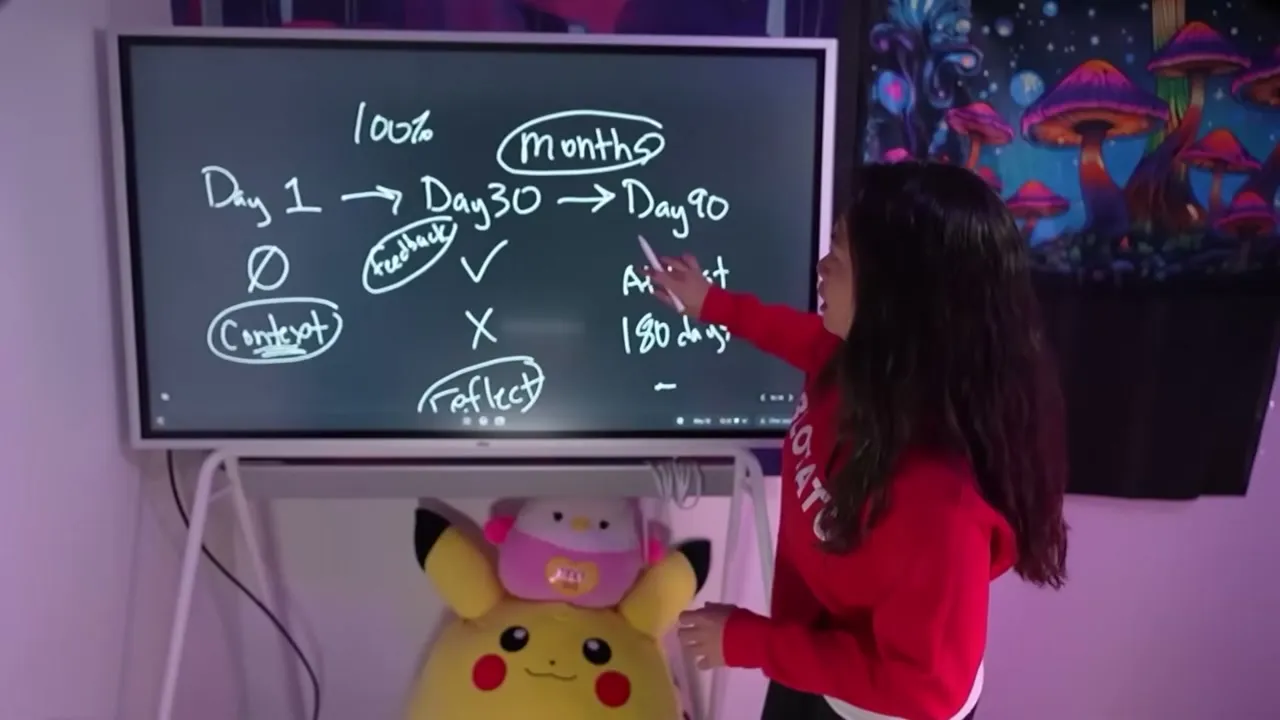
5. Treat AI like a new hire. The biggest mistake business owners make is expecting AI to know everything about them on day one. You would never do that to a real hire. Day 1, day 30, day 90, you give feedback the whole way. With Claude, after every piece of content I say “reflect on this conversation and update your memory and skills,” so it keeps improving like a person would.
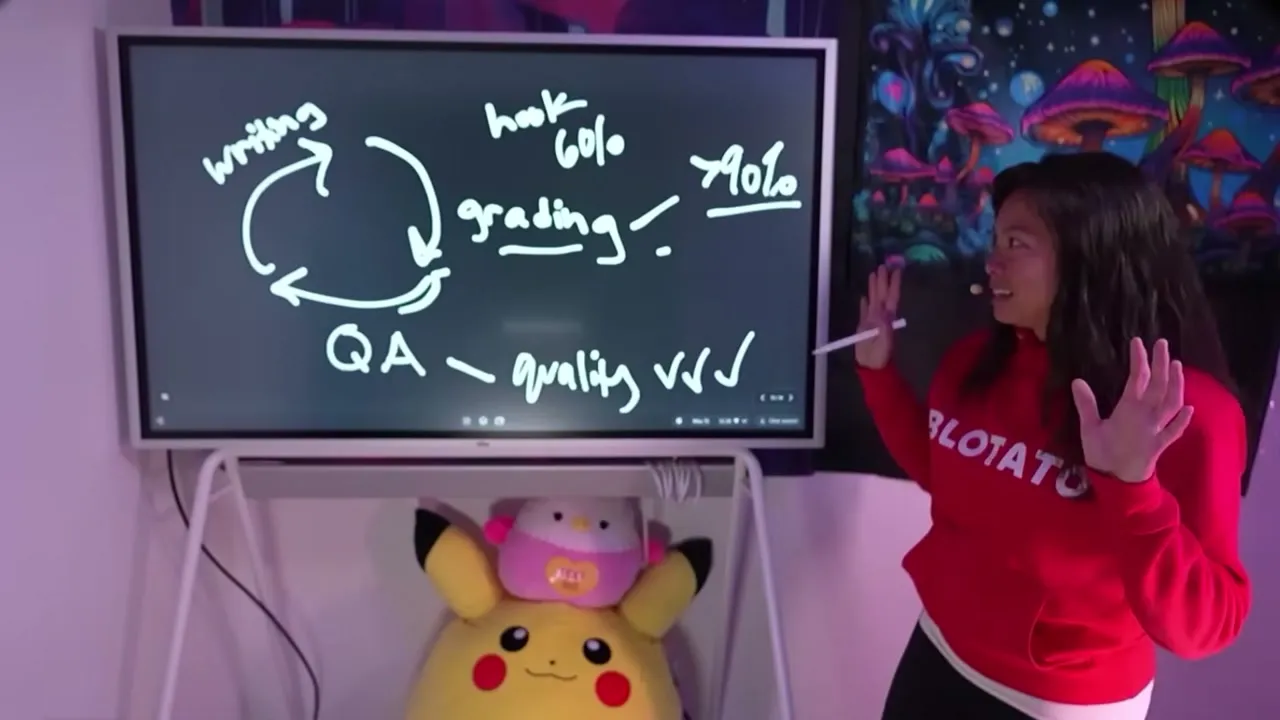
6. Feedback loops. This is the one that separates the most productive people. I have one AI write a post, another grade its virality, another run a quality check. Then I tell Claude not to stop rewriting until it scores above 90 percent. It will loop on its own, catch a weak hook scoring 60 percent, and rewrite until it passes. I do not even look at the output until the loop finishes.
7. Writing documentation. AI reads your documentation as context. So find any process you repeat more than three times a week, write down every single step, then ask AI which steps it can automate or streamline. A sales-prep routine, a content workflow, an onboarding email. Doing this once will teach you more than reading another list like this one.
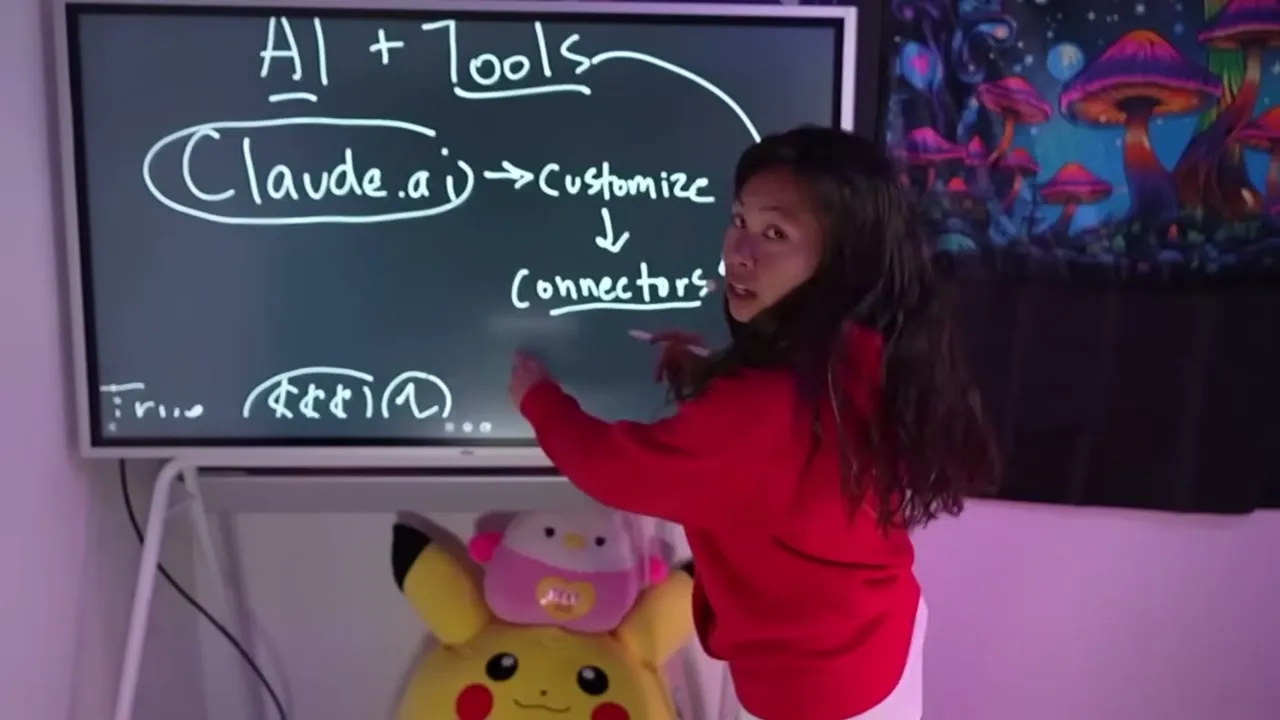
8. Understanding AI agents. The unlock is simple: hook AI up to the tools you already use. Open claude.ai, click Customize in the left sidebar, click Connectors. Connect Gmail first, then ask it to summarize your three most urgent emails. Then connect the rest. Now it can read your Airtable, build a Canva carousel, and post it, all in one chat.
9. Applying AI to a business you already understand. The winning move is not inventing an AI startup. It is taking the manual steps of work you already know and handing the repetitive ones to AI. I did not reinvent content creation, a job that existed long before AI. I kept the model and used AI to run the parts that used to need a whole team. (If you want specific models to apply this to, I broke down three in my AI business ideas for solopreneurs post.)
Which of These Skills Is Already Commoditized
Not all nine age the same way, and pretending they do is how the generic lists lose you money. This is the part I care about most, because it decides where you spend your learning time.
Basic prompt writing (skill 3, the shallow version) is racing to zero. Models are getting better at guessing your intent, and “learn to prompt” courses are already a crowded, low-value market. The durable version of skill 3 is context engineering, feeding the model your real business knowledge, not memorizing phrasings.
The skills that compound are the systems ones: feedback loops (6), documentation (7), and agents (8). Those are about building a repeatable machine around AI, and a machine gets more valuable as the models underneath it improve. Bet your learning time there.
The commodity skills lose their edge the moment everyone has them. The durable ones do not, but only if you can put their output in front of people. That is the catch nobody mentions.
How a Solo Operator Turns Those Skills Into Output
Here is what the durable skills look like in practice for a one-person operation. AI touches almost every step of the content work: ideas, hooks, scripts, images, B-roll, carousels, data analysis. I brainstorm 30 hooks at a time instead of one.
But content that never ships makes no money, and the publishing step is where solo operators stall. I distribute around 250 pieces a week across every major platform and film about five long-form videos, alone. That only works because the last mile is automated.
That last mile is where Blotato fits. From inside Claude, using the connector at mcp.blotato.com/mcp, I can take the carousel AI just built and publish it across all 9 platforms and manage the full calendar without leaving the chat. If you want to test the whole loop on your own accounts, note that the 7-day trial covers the app but not the API, and generating an API key ends the trial and starts the paid Starter plan, so plan on starting the subscription rather than trialing it. For the wider stack behind this, including the free layer I run underneath the paid tools, here is the full breakdown. It is what turns skills 6 through 8 from a nice demo into actual output.
If you are earlier in that build, my AI content repurposing tools guide covers turning one video into a week of posts before you wire up the publishing side.
What These Skills Won’t Do for You
They will not make you rich on their own or overnight. A skill is potential energy. It converts to money only when it meets a business model and an audience to put the output in front of.
AI also will not run hands-off on day one. The new-hire model is real: you are signing up for continuous feedback and dedicated time to maintain the system, not a set-and-forget button. Anyone selling you “passive” income from these skills is selling the hook, not the reality.
And these are foundational skills, not a moat. In a few years they are table stakes. The advantage goes to whoever pairs them with something the model cannot copy: your taste, your audience, your proprietary process.
Sabrina’s Final Take
If you learn one thing from this list, spend your time on the skills that compound, not the ones racing to zero. Context engineering, feedback loops, and agents hold their value as the models improve. Basic prompting does not. Then make sure the output actually reaches people, because a durable skill with no audience is still just a salary. Every Blotato plan exists for that last-mile publishing problem, so once your skills are producing content, getting it live is not the bottleneck. Start with the reflex from skill one: the next time you are stuck on any of this, ask AI before you ask anyone else.
AI Skills to Become Rich FAQs
Can you really get rich with AI skills without coding?
Yes, and most people who monetize AI are not coders. The nine skills here are reflexes and systems: asking AI first, feeding it context, building feedback loops, connecting it to your tools. What makes them pay is applying them to a business model with a real audience, not the code underneath.
Which AI skill should a beginner learn first?
Change your default reaction. Before anything technical, train yourself to ask AI the moment you get stuck instead of Googling or staying frustrated. It costs nothing, it compounds daily, and it is the habit every other skill depends on.
What is the difference between a high-paying AI job and getting rich with AI?
A high AI salary caps your income at what one employer will pay. Getting rich usually means owning both a durable skill and an audience you can sell to directly. That is why a creator with a modest skill and a real following can out-earn a specialist with a $200K job.
How long before an AI skill starts paying off?
Treat AI like a new hire, so expect more than a day and less than 90. The technical skill is fast to learn, but the return shows up once you have wired it into a real workflow and paired it with a way to reach people. Systems skills like feedback loops and agents take a few weeks to set up and then compound.
Why use Blotato instead of posting to each platform by hand?
Because publishing is the step where solo operators stall. Blotato handles the last mile from inside Claude, posting AI-made content across all 9 platforms and managing the calendar in one place, so the skills you learned actually ship at volume instead of dying in a drafts folder.